A detection framework prepared for the Indian Cyber Crime Coordination Centre (I4C) — covering fraudulent app detection, malicious ad network analysis, and banned RMG website monitoring.
Our systematic approach to identifying and combating fraudulent loan applications — from signature matching to fully automated detection.
Identifying common code signatures, patterns, and identifiers shared across fraudulent loan apps to establish a detection baseline for I4C.
Scaling our detection capabilities to identify more fraudulent apps using the signatures discovered in Phase 1, with human review for validation and accuracy.
Fully automated pipeline — one-click review and evidence extraction. No human intervention required for standard detections.
Proactive defence — continuous monitoring of app stores and social media for new scam app variants before they reach victims.
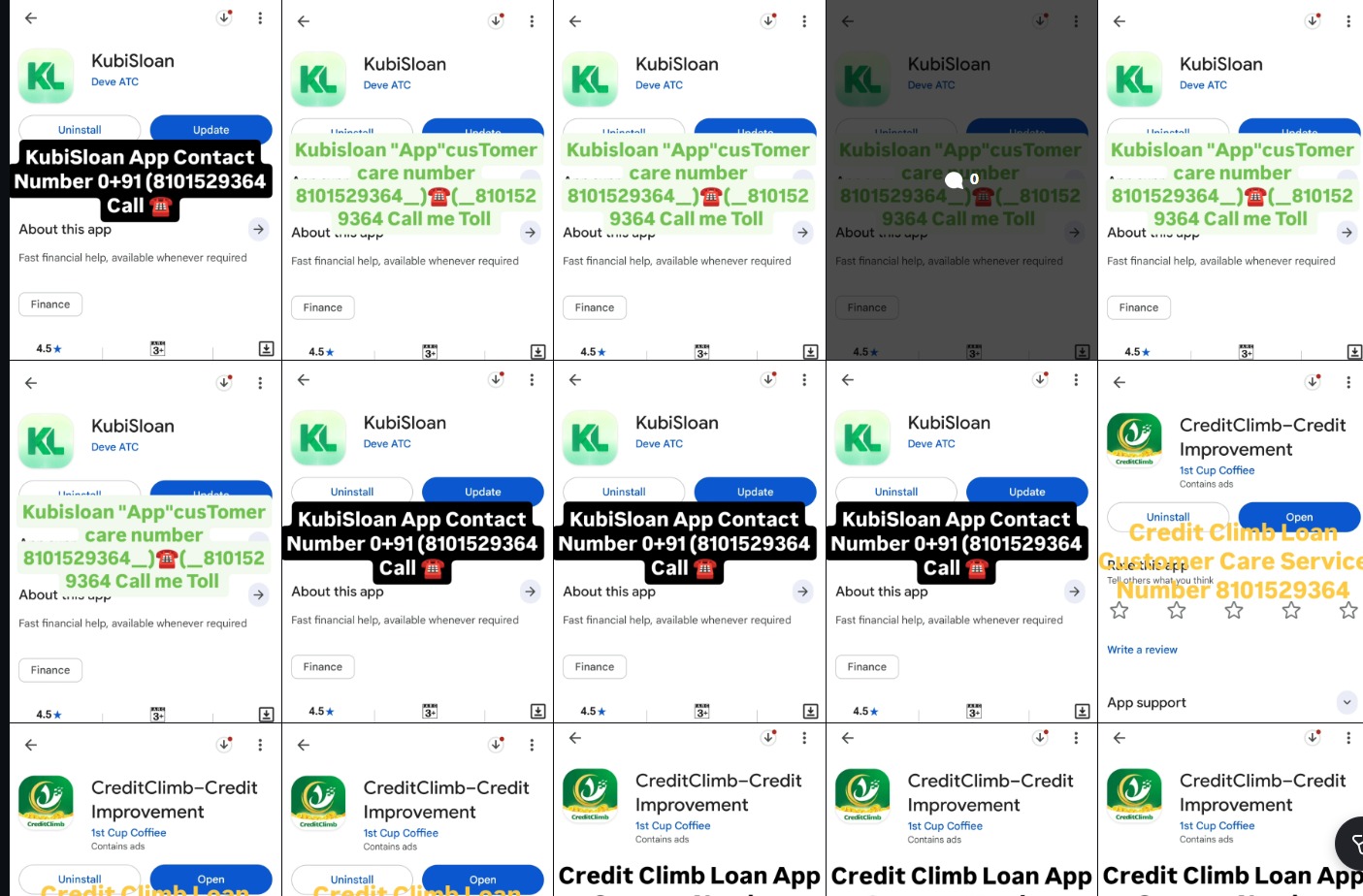
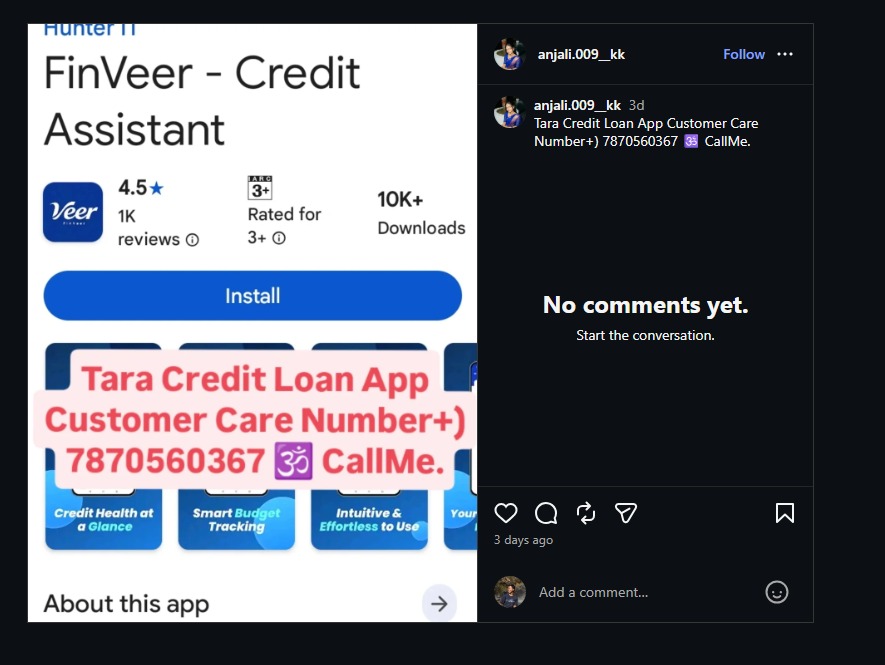
These scam apps are actively promoted through Instagram ads and fake customer care numbers. Below is photographic evidence of their distribution tactics.
KubiSloan & CreditClimb apps displaying fake customer care numbers to lure victims.
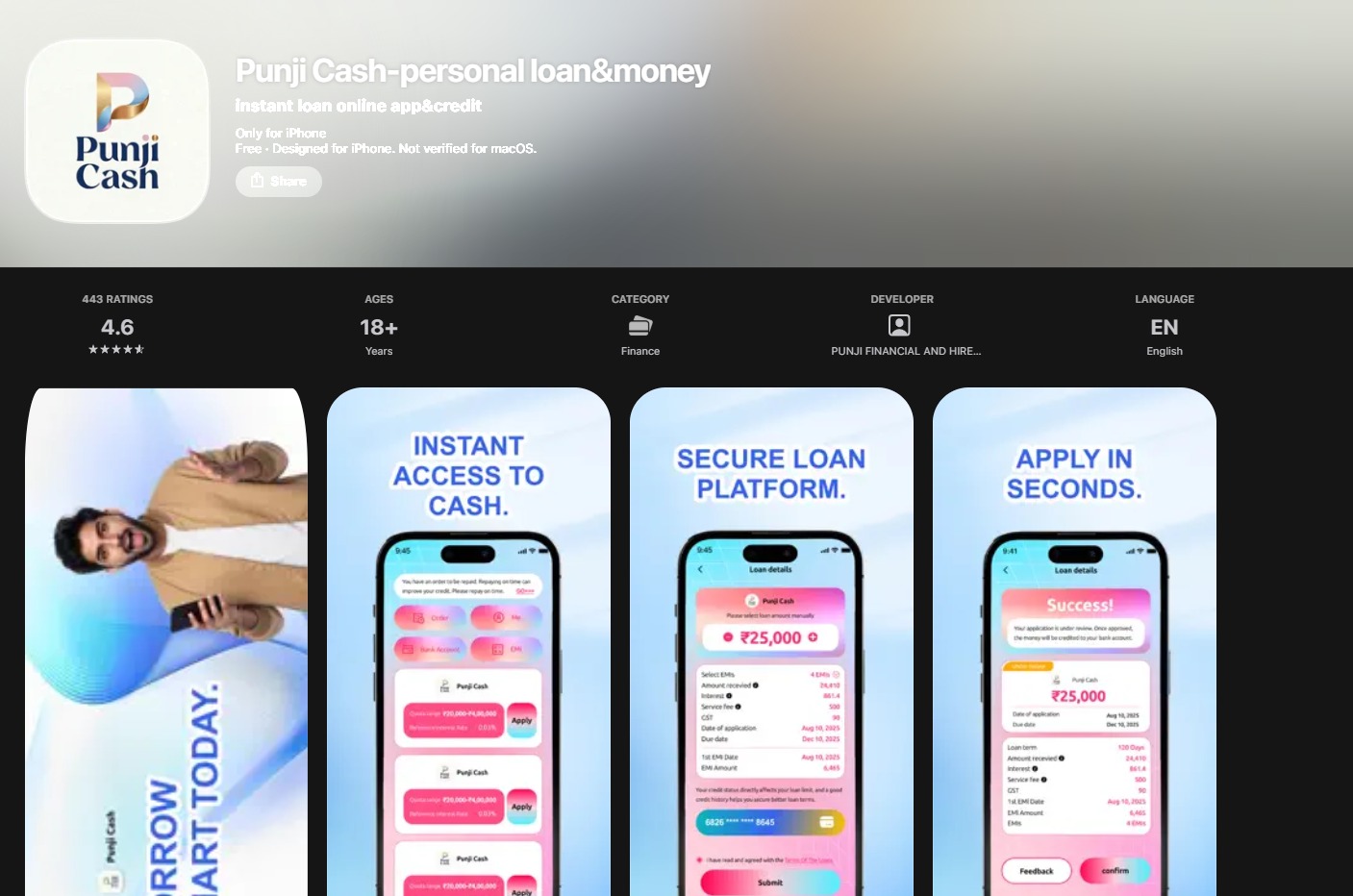
Punji Cash scam app on the iOS App Store — multi-platform operations.
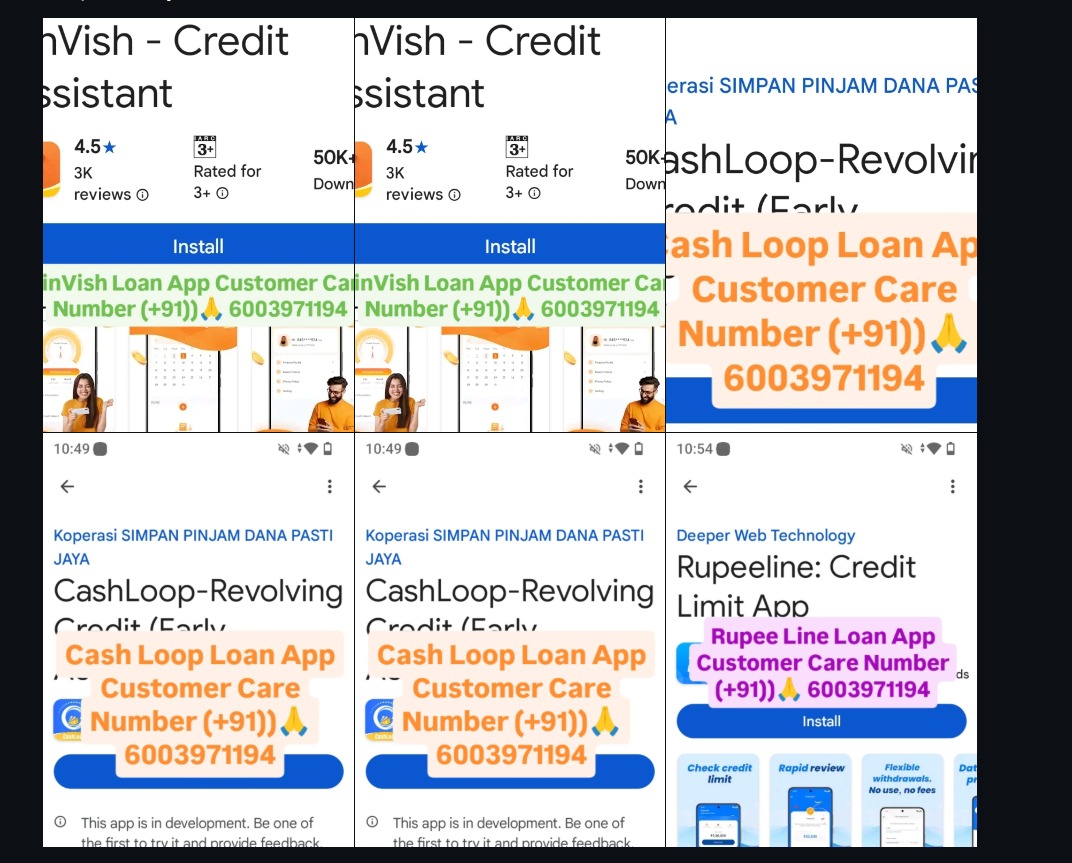
inVish, CashLoop, and Rupeeline — all sharing the same customer care number.
Instagram accounts advertising fake loan apps like FinVeer with fraudulent numbers.
5 fraudulent loan applications currently live on the Google Play Store. APK samples are provided below for I4C's reference.
Live call recording made to one of the fraudulent customer care numbers advertised by these scam apps. This recording demonstrates their social engineering tactics.
Call placed to the "customer care" number advertised on the KubiSloan Play Store listing. The recording exposes the social engineering tactics used by the scam operators.
Intermediary ad networks have become a partner in crime by letting malicious and fake ads run on their platforms. Our system scrapes, classifies, and packages evidence for takedown.
Users input target keywords. The system scrapes major ad networks (Google Ads, Meta Ads Library, etc.) to discover ads matching those keywords — including short-lived campaigns that vanish quickly.
Each scraped ad is run through a classification engine and assigned a safety score. Ads are categorized by risk level and linked to known scam patterns.
Classified ads and their scores are displayed on a searchable dashboard. Complete evidence packages are generated for easy takedown requests.
Continuous, automated monitoring of ad networks for new malicious campaign variants. Instant alerts when new scam ads are detected matching known patterns.
Our website detection engine scrapes for sites similar to already banned websites — including Real Money Gaming platforms — that could become active any moment or may have escaped takedown orders.
Starting from seed URLs or keywords, the engine checks if a website belongs to any banned category using known data points and classification rules.
Recursively searching across top search engines and Telegram for more linked websites. Discovers unindexed sites and expands detection coverage automatically.
All collected data points are fed through ML classification models. Websites are clustered by operator, infrastructure, and content similarity for coordinated takedowns.
Complete evidence packages tuned for Section 69A takedowns, with actionable insights for law enforcement. Continuous monitoring ensures takedown targets don't re-emerge.
Reach out to the Crypsis team for more information about detected applications or to share leads on fraudulent apps.